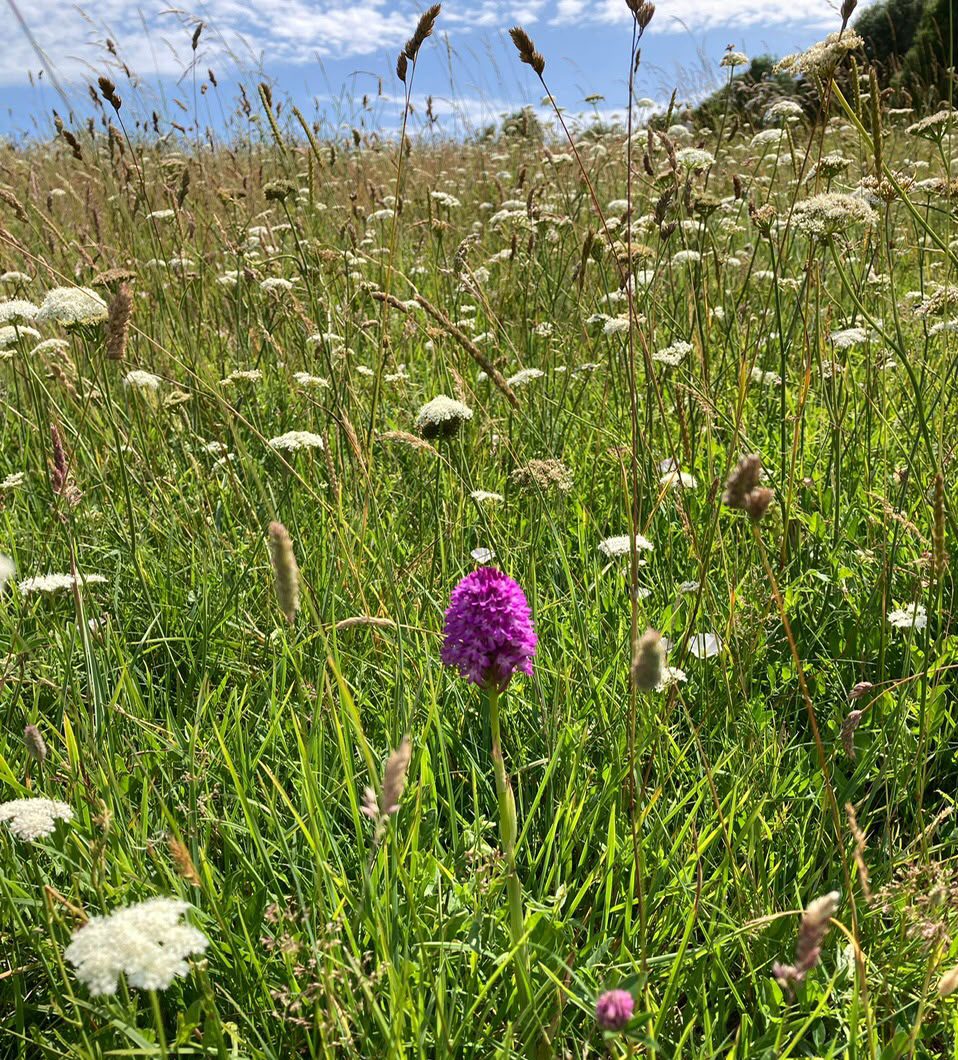
Orchids are back
A pyramidal orchid appeared in 2024, then a common spotted orchid in 2025. Both are holding on in small numbers. Orchids are less common here than at nearby Durlston, so we hope more will follow.

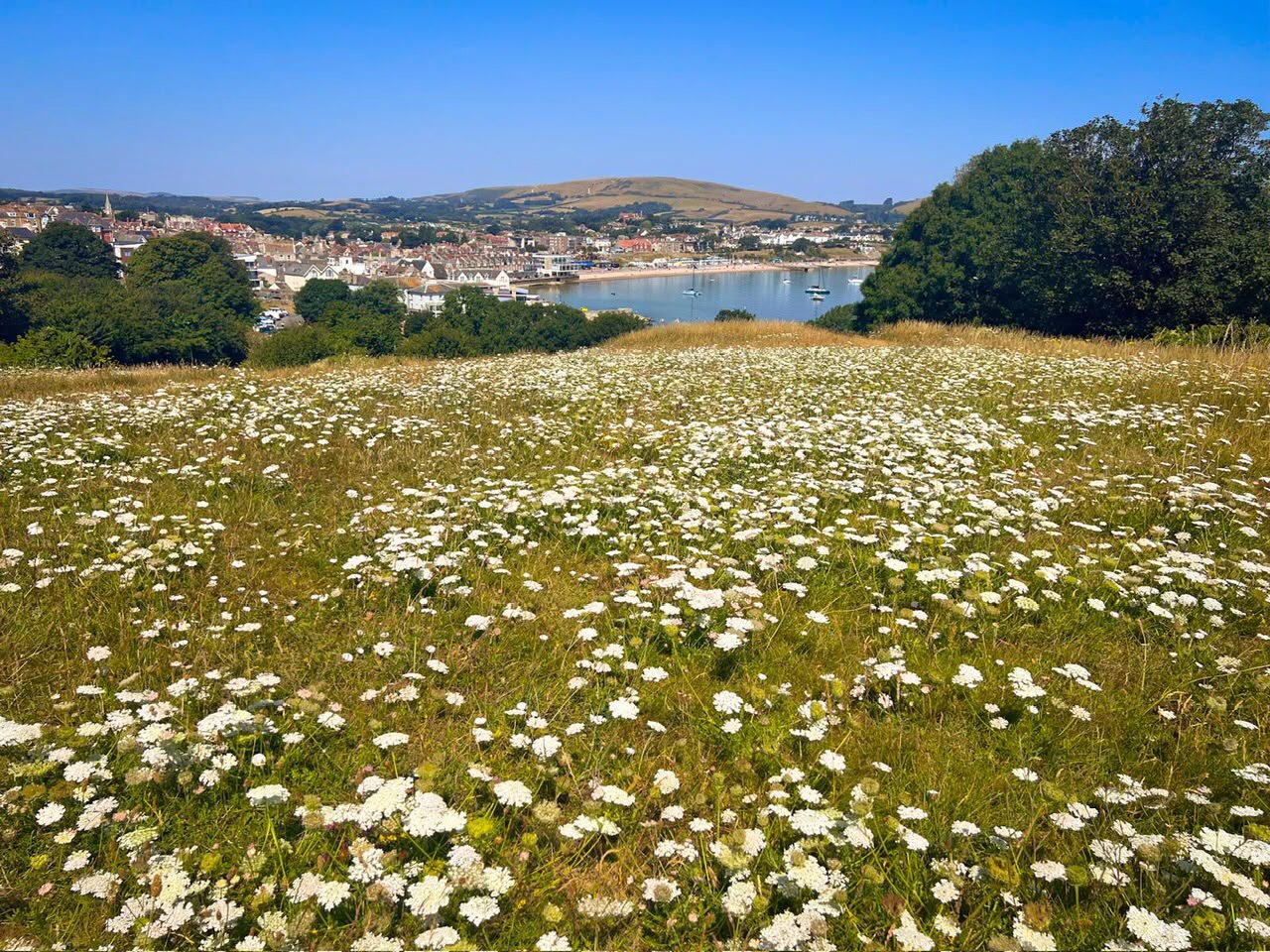
Wildflowers are coming back to the Downs. Until 2023 most of it was short, mown grass. Now, in summer, the slopes turn purple and white with knapweed and wild carrot, and orchids are flowering again.
A small group of volunteers walks the Downs every summer to record what's growing. It's how we know the change is working. No experience is needed, and we'd love you to join us.
Each summer we record which flowers and grasses grow on the Downs, and how much of each. Three summers of records now show a clear change. In the three areas we survey every year, the number of species has gone up each year, from 42 in 2024 to 50 in 2025 and 52 in 2026.
A pyramidal orchid appeared in 2024, then a common spotted orchid in 2025. Both are holding on in small numbers. Orchids are less common here than at nearby Durlston, so we hope more will follow.
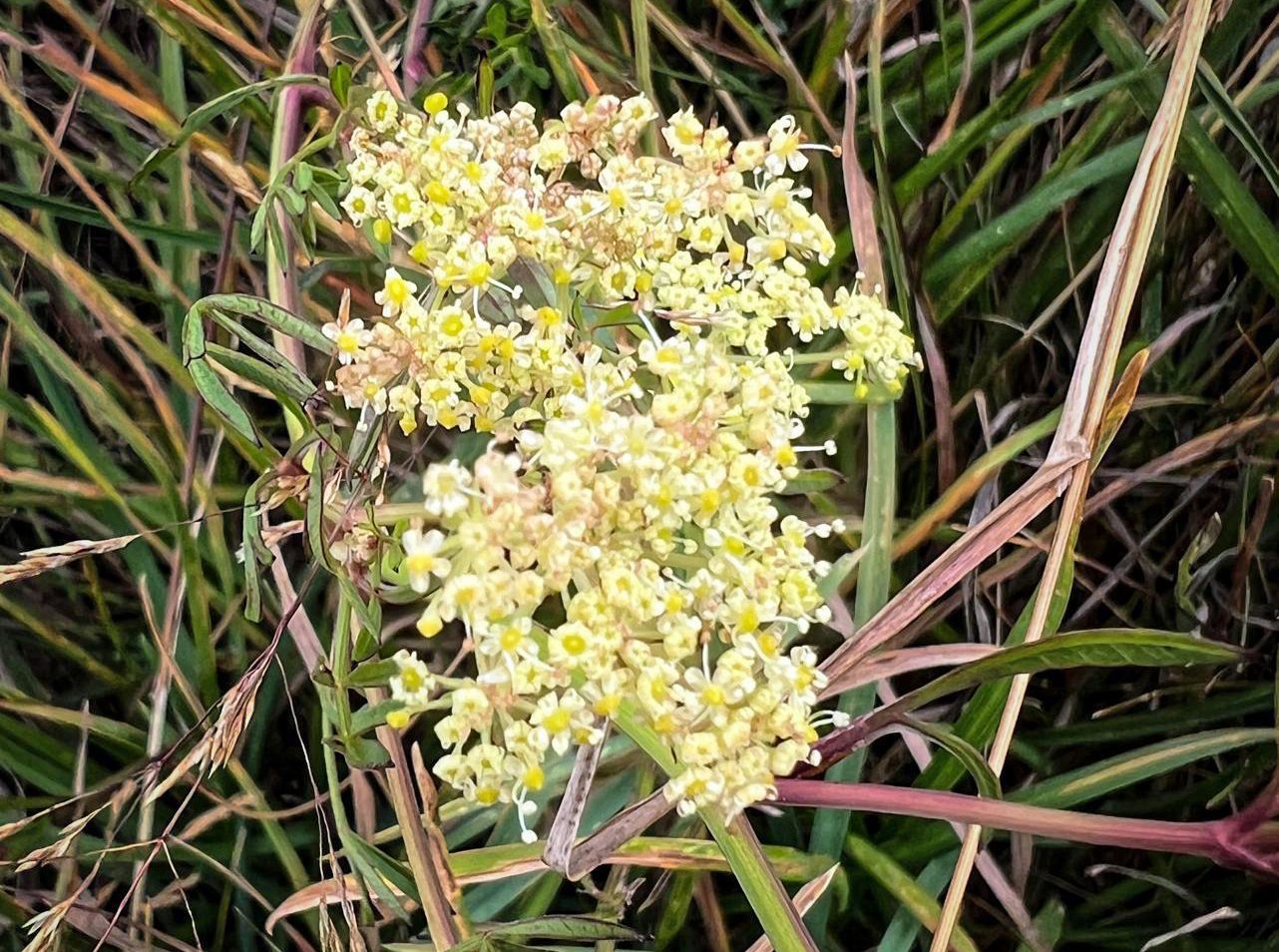
In August 2026 we found pepper saxifrage on the Downs for the first time in recent years. It usually grows in old, undisturbed grassland, so it's the most encouraging record so far.
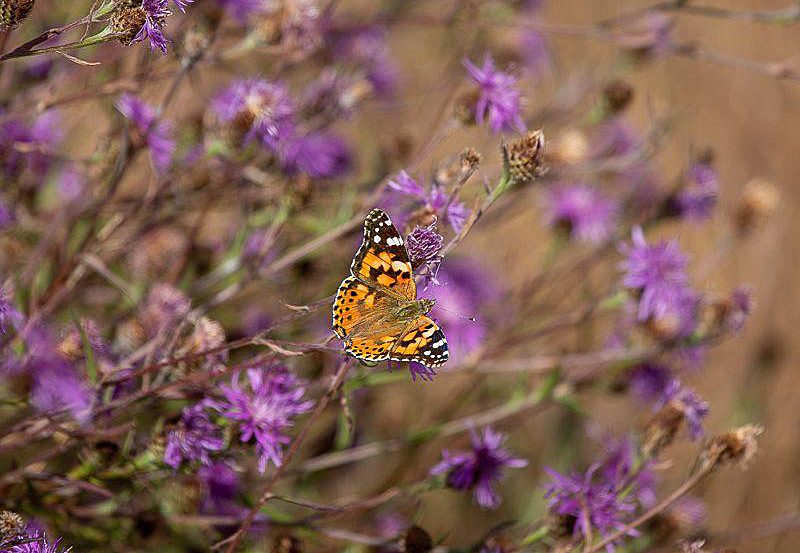
By late summer, common knapweed and wild carrot turn the slopes purple and white among the golden grasses. Both are among the best late-summer nectar plants for bees and butterflies.
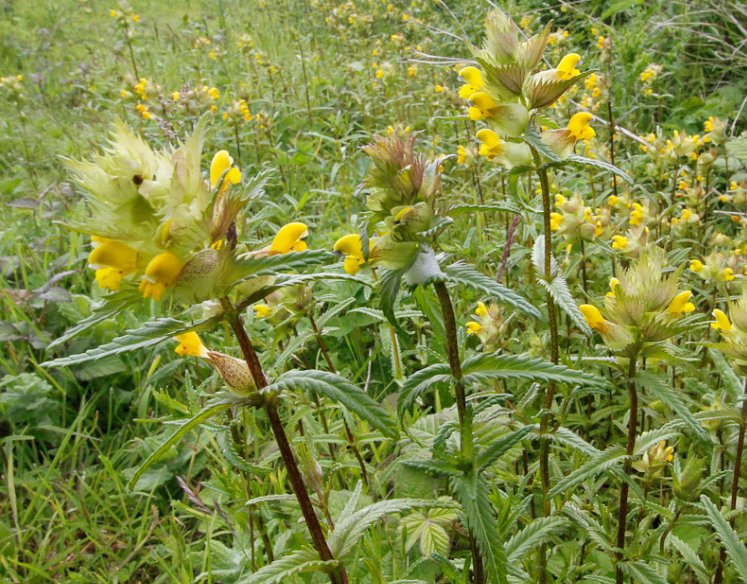
Yellow rattle weakens grasses, which gives flowers, including orchids, room to grow. That's why it's known as the meadow maker. We sowed its seed in autumn 2023 and a few plants came up the next summer. It has since crossed the footpath, and in 2026 we found it in all three core areas, though still in small numbers.
We're sharing these findings with Swanage Town Council. A late-summer hay cut, with the cuttings taken away, is the usual way to keep a meadow like this healthy.
The score we use is called DAFOR: Dominant, Abundant, Frequent, Occasional or Rare. It's a quick way to say roughly how much ground each plant covers.
We're still learning too. This year we refined how we work, and next spring we'll start earlier to catch the first flowers, such as cowslips.
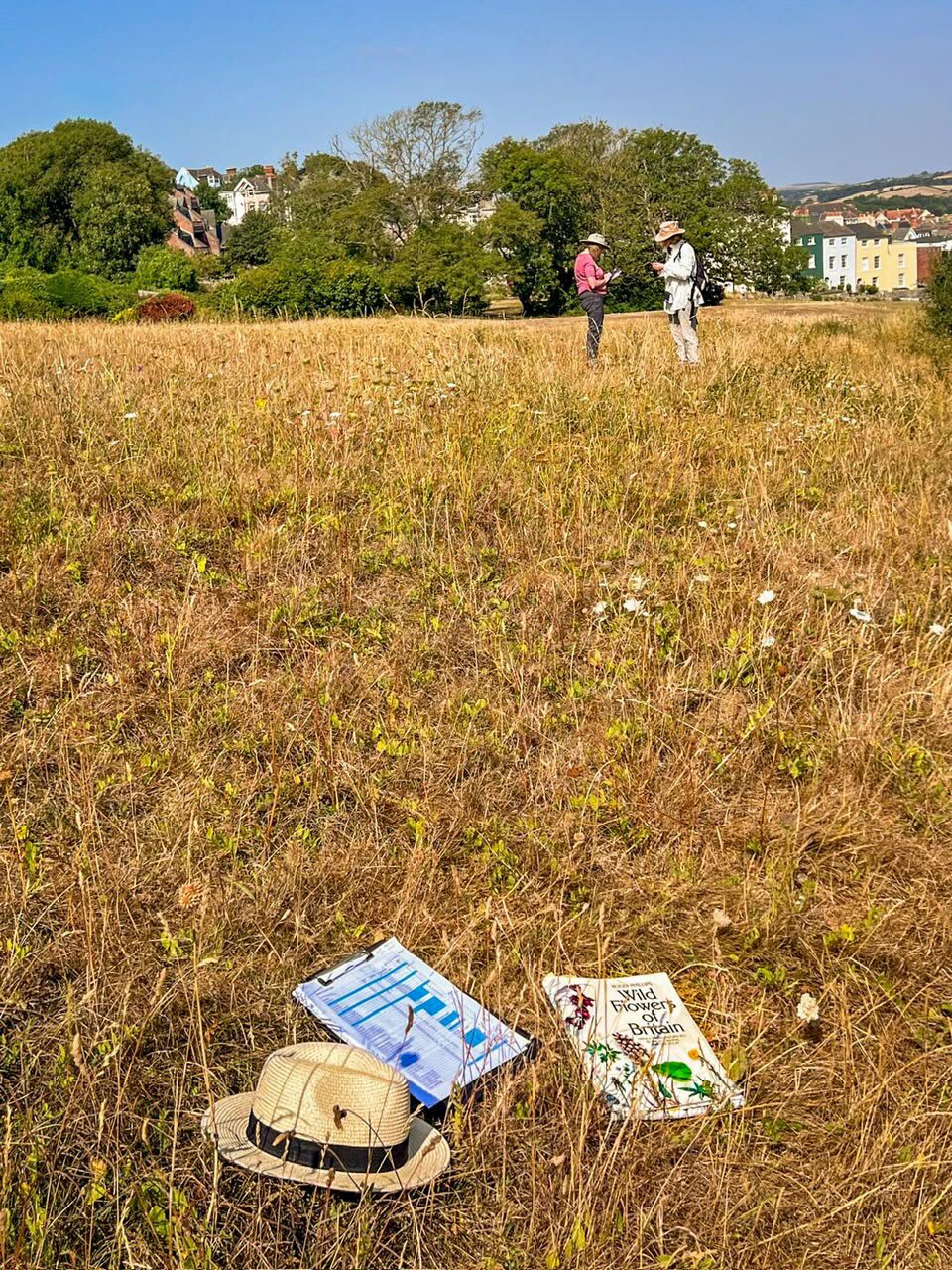
The Downs became a Local Nature Reserve in April 2023, after work by Sustainable Swanage with Swanage Town Council. Under a new management plan, about half of it is now left unmown over the summer, to see whether wildflowers, and the bees and butterflies that rely on them, would come back.
Our records are how anyone can tell whether that change is working. They go to the Town Council, and they help keep the Downs' nature reserve status. They also show where a little extra care, like a well-timed cut, would help the flowers most.
We're currently a group of six volunteers, and most of us were new to plant surveying when we started. We're part of the wider Friends of the Downs, who also count butterflies and other wildlife, and we work alongside Swanage Town Council.
“We very much welcome beginners. We are all still learning each time we survey, and training can also be arranged. It is a wonderful way to spend a sunny spring or summer morning. Come and try it.”
Stephanie Brown, Wildflower Survey Group
You don't need to know your flowers, and you don't have to come to every survey. If you enjoy a walk and are curious about what's growing, there's a place for you.
Surveys run from early May to the end of August. The next season starts in May 2027.
Two surveys a month, so eight in a season. Come to as many or as few as you like.
We usually start around 10am and finish by midday, weather permitting.
Want to join us next summer? Email hello@sustainableswanage.uk and we'll let you know when the first survey is. Training can be arranged before the season starts.
This page draws on the group's survey records from 2024 to 2026 and the Swanage News article Survey reveals return of more wildflowers on Swanage Downs (5 October 2026). Survey methods changed a little from year to year, so treat the trends as early signs rather than firm conclusions. Photos: Stephanie Brown.