Nest boxes are working
In Langton Matravers, a holiday complex fitted six swift boxes during renovation work. Swifts moved into five of them straight away. Across Langton, boxes in use rose from 2 to 10 this year.

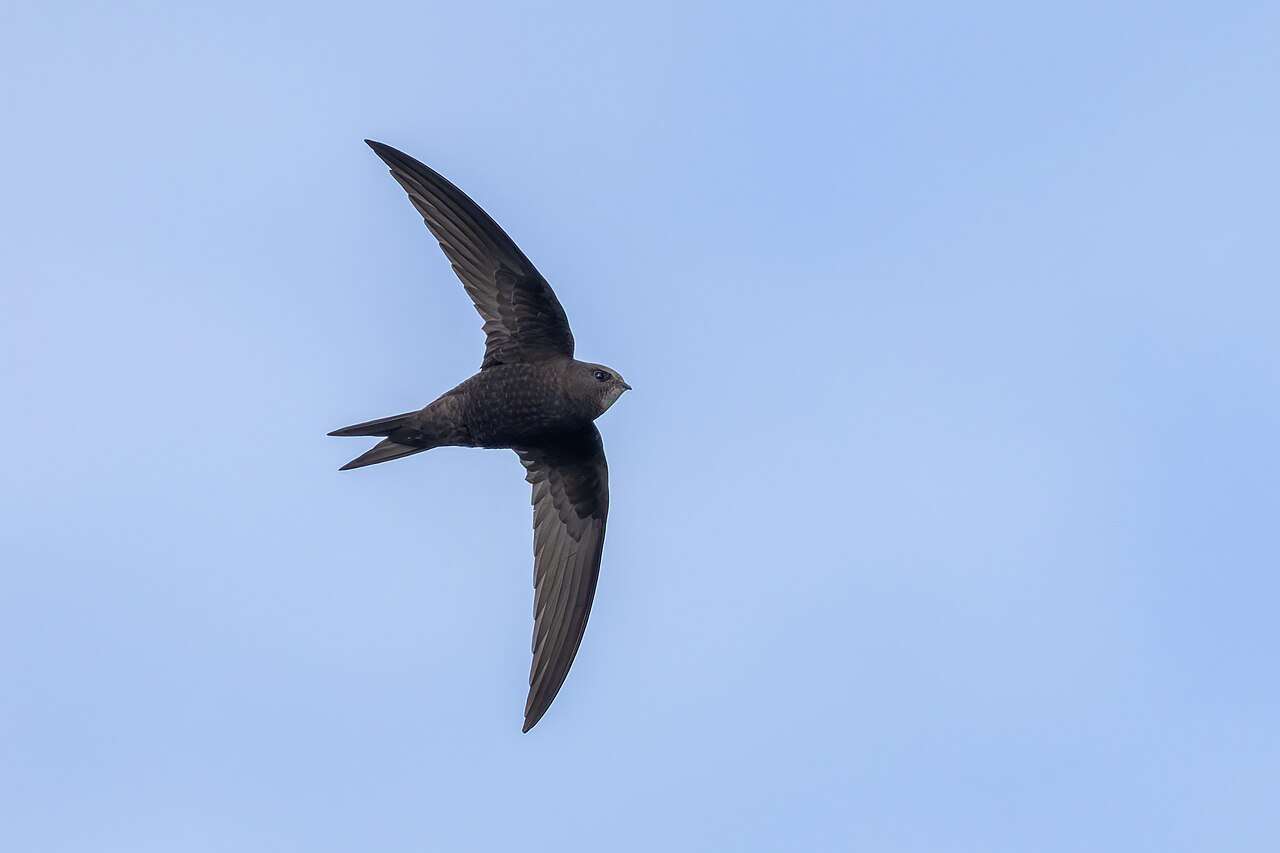
It's been a good summer for swifts in Purbeck. In 2026 we found 120 occupied nest sites across Swanage and the surrounding villages, up from 98 last year.
We're a small group of volunteers who find where swifts nest, help protect those sites, and put up nest boxes where old nests have been lost. You can help too, and it often takes very little.
Swifts are in trouble. UK numbers fell by 66% between 1995 and 2022, and the swift is now on the Red List of birds of most conservation concern. There are two main reasons. Repairs and renovations close up the gaps they nest in, and new buildings rarely have any. And there are fewer flying insects for them to eat.
The good news is that swifts take readily to nest boxes and swift bricks. Scotland has already moved to include swift bricks in new buildings, and we'd love to see the same across England.
Swifts eat, drink and even sleep in flight. A young swift may stay airborne for ten months without landing.
They spend our winter in Africa, south of the Sahara, and fly back to the same nest each May. Pairs often stay together for years.
A swift weighs about 40g, yet can fly at nearly 70mph, climb to 5,700m and live for 20 years.
With Birds of Poole Harbour, we have a camera inside one of our nest boxes in Wareham. This is what a box can do for a pair of swifts.
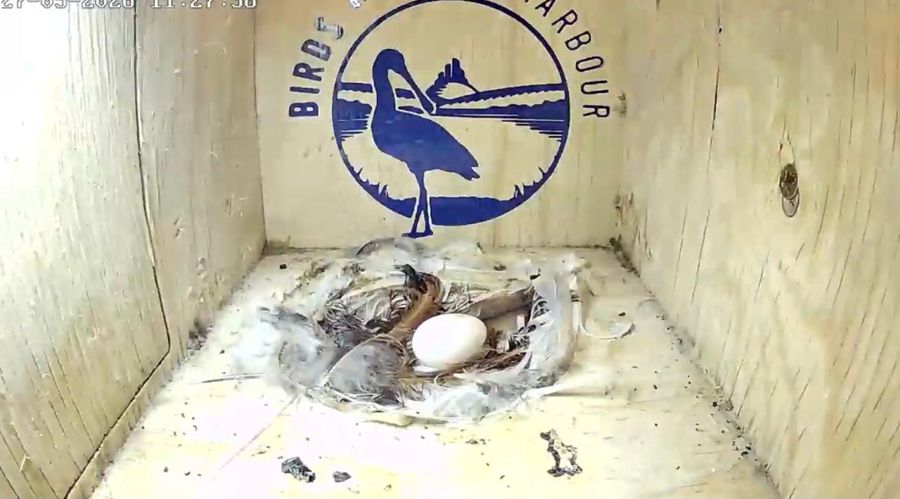
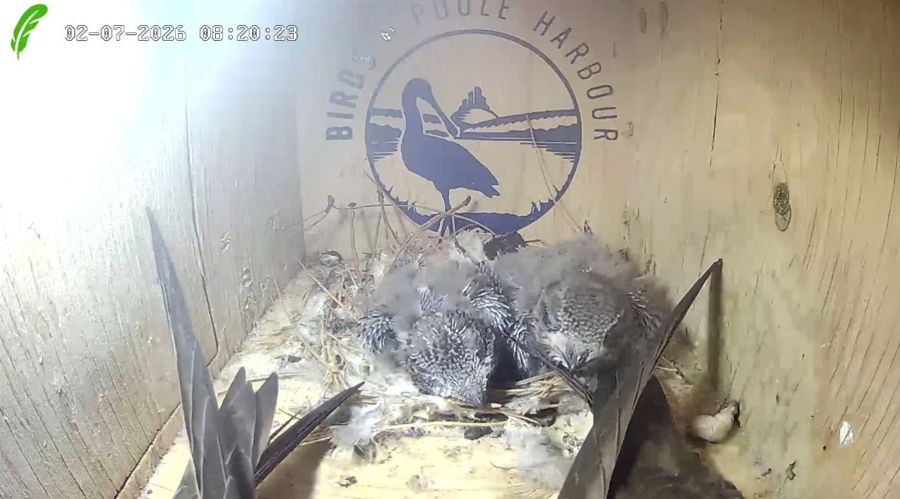
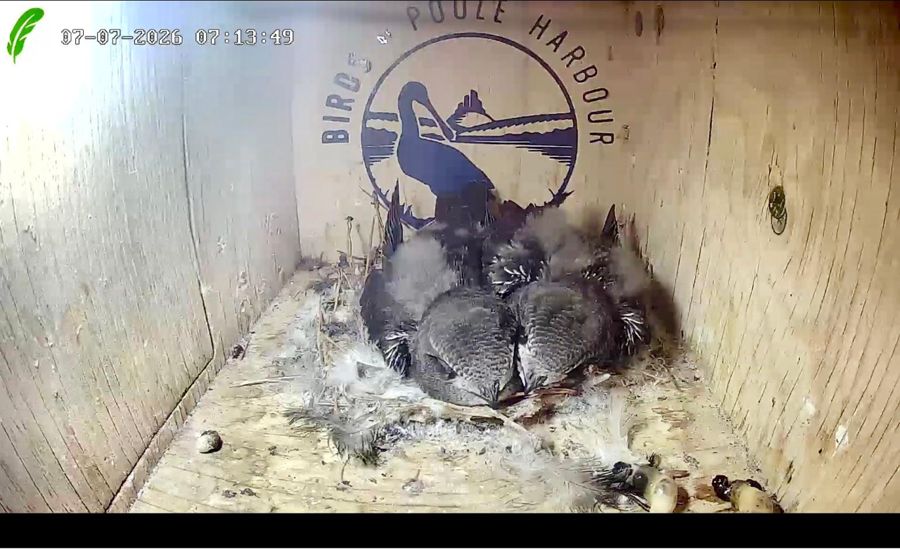
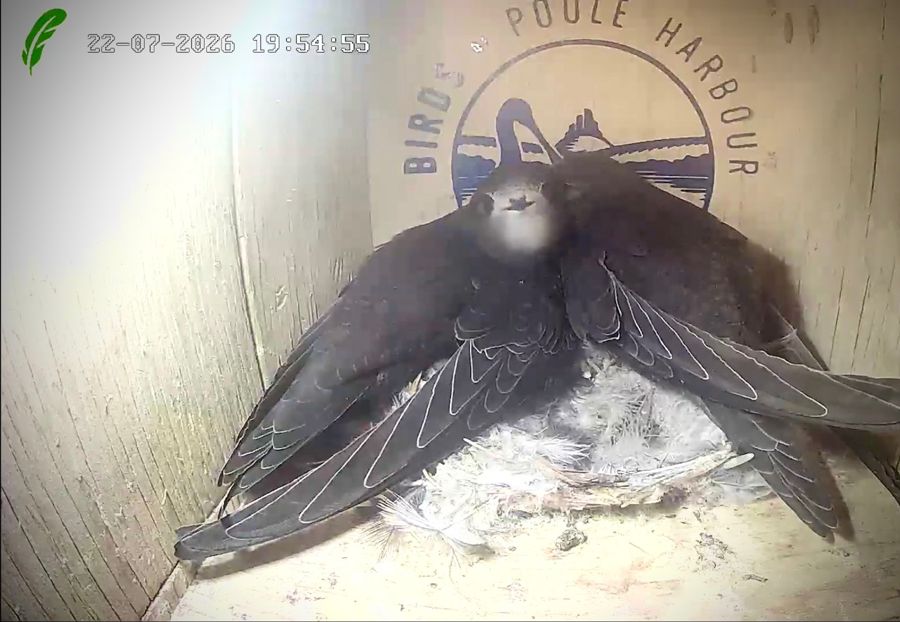
Photos from our nest box camera, run with Birds of Poole Harbour.
Each summer we watch local buildings to see where swifts are nesting. This year we found more occupied nests than last year in most places, and many more swifts using nest boxes. Swanage itself went from 28 to 36 occupied sites.
| Area | Natural nests | Nest boxes in use | Total 2025 | Total 2026 |
|---|---|---|---|---|
| Swanage | 20 → 25 | 8 → 11 | 28 | 36 |
| Langton Matravers | 6 → 5 | 2 → 10 | 8 | 15 |
| Corfe Castle | 26 → 30 | 0 → 0 | 26 | 30 |
| Wareham | 12 → 12 | 2 → 5 | 14 | 17 |
| Church Knowle | 17 → 14 | 0 → 0 | 17 | 14 |
| Kingston | 5 → 7 | 0 → 0 | 5 | 7 |
| Worth Matravers | 0 → 1 | 0 → 0 | 0 | 1 |
| All areas | 86 → 94 | 12 → 26 | 98 | 120 |
Most areas have only a handful of nests, so one nest more or less can look like a big change. In Worth Matravers, for example, we found one nest this year after none last year. In Church Knowle we could only carry out one survey this summer, so the small fall there may simply be nests we missed. What matters is the overall picture: more swifts nesting, and nest boxes working.
In Langton Matravers, a holiday complex fitted six swift boxes during renovation work. Swifts moved into five of them straight away. Across Langton, boxes in use rose from 2 to 10 this year.
We've helped the churches at Worth and Corfe each fit a block of swift boxes inside a belfry louvre. We designed them to protect the listed building and keep crows and jackdaws out, and fitting them cost the churches nothing.
In May, scaffolding went up on a block of flats just as swifts were returning. The owner didn't know his six boxes had all been used in 2025. When we asked, he kindly removed the netting over them, and the scaffolding was down by early June.
Swifts come back to the same nest every year. If that gap in the eaves has been blocked, they have nowhere to go. The first three steps below make the biggest difference.
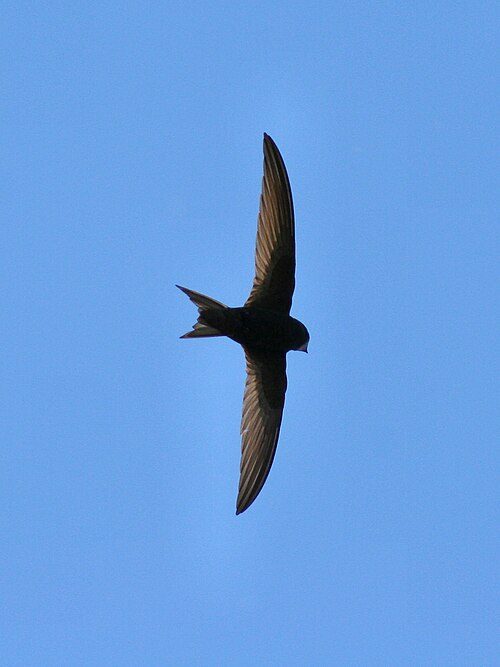
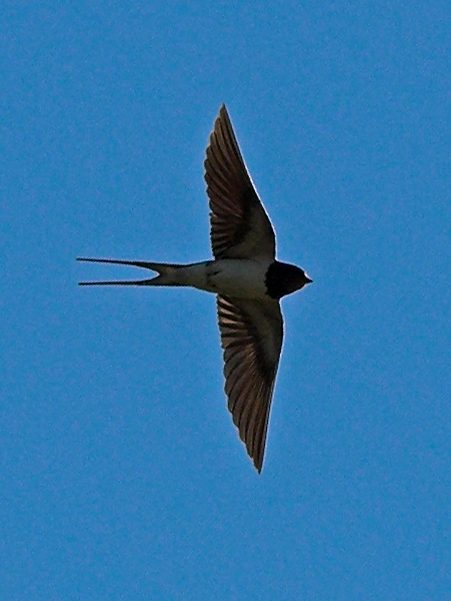
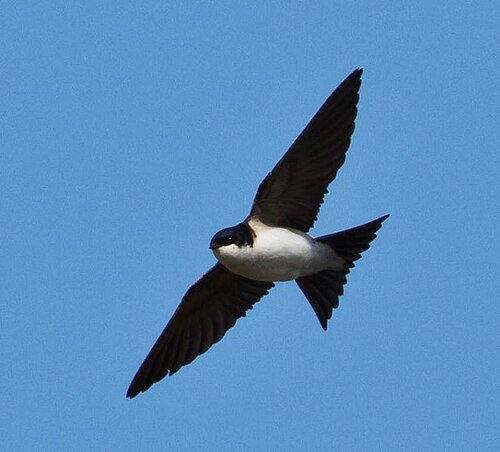
Not sure? Send us a photo or a description and we'll help.
We started in 2021 and have been recording swift nests ever since. We're part of Sustainable Swanage, and we work with Birds of Poole Harbour through the Dorset Swift Network to fund boxes and swift callers, which play swift calls to draw birds to new boxes.
As well as surveying, we give talks in village halls in Swanage, Corfe Castle, Church Knowle and Worth Matravers, lead swift walks in summer, and have helped bring swifts to television, including Springwatch. With Birds of Poole Harbour, we also run the Wareham nest box camera, so we can watch a swift family up close.
You don't need to know anything about birds to join us. If you enjoy looking up on a summer evening, there's a place for you.
Swifts are here and nesting. We survey buildings, run swift walks and give talks.
The swifts have gone, so it's the time to fit nest boxes and plan for next year.
Ask us for advice on boxes, building work or a nest you've spotted.
Want to help, or have swifts near you? Email swiftresearch67@gmail.com or find us on Facebook.
This page draws on the group's nest survey records for 2025 and 2026 (compiled 21 September 2026) and its 2026 Purbeck Sounds radio talk. UK population figures are from the Breeding Bird Survey, 1995 to 2022.
Photos: banner swift by Alexis Lours (CC BY 4.0), via Wikimedia Commons. Nest box photos from our camera in Wareham, run with Birds of Poole Harbour. Identification photos from Wikimedia Commons: swift by Paweł Kuźniar (CC BY-SA 3.0), swallow by Thermos and Cactus26 (CC BY-SA 3.0), house martin by Ómar Runólfsson (CC BY 2.0).