
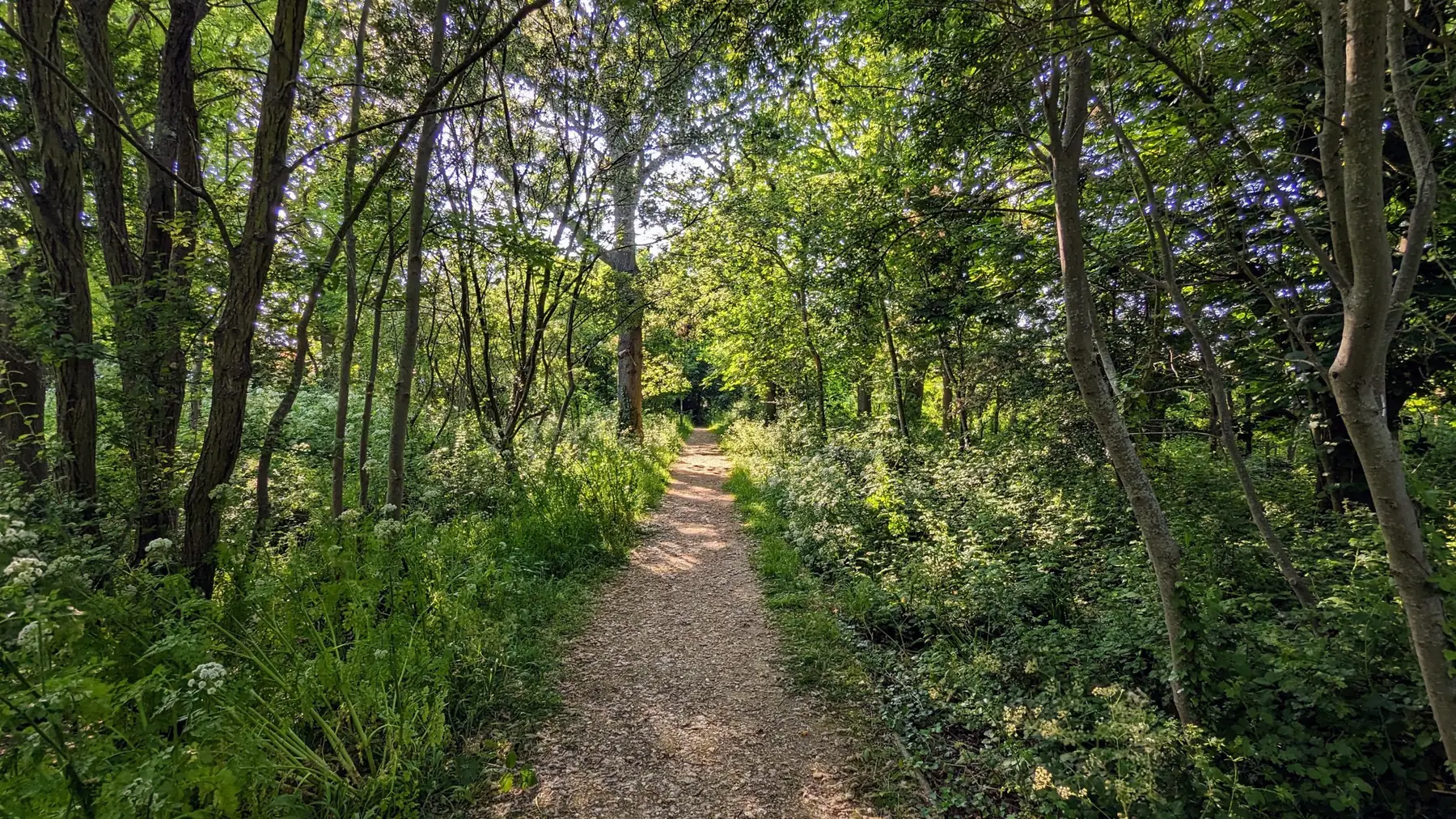
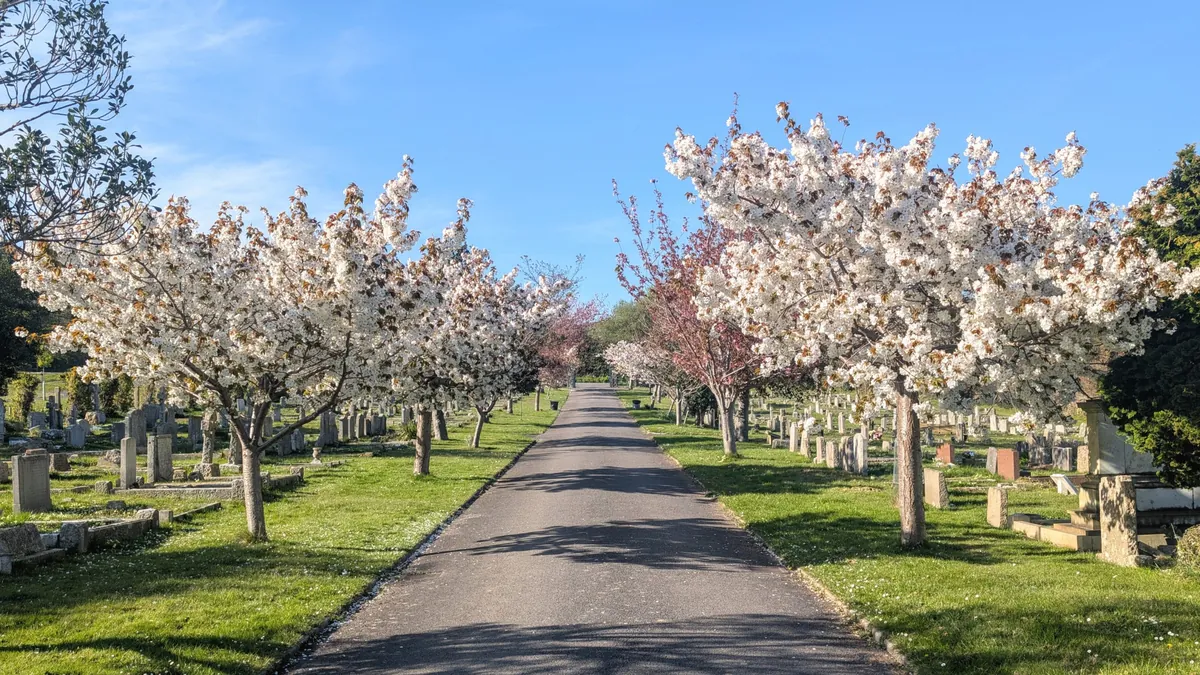
Northbrook Copse, Swanage
TreesHelping Swanage's trees through a changing climate
Trees are one of our first defences against a changing climate, as George Roman of Swanage Town Council put it at our climate evening in November 2026. They shade and cool our streets, soak up carbon and rainwater, and give a home to thousands of species, from birds and bats to insects and fungi.
But our trees are under pressure too. Wetter winters and hotter, drier summers are killing young trees: around 8 to 10 Town Council trees died in the 2026 drought. Diseases such as ash dieback are spreading through trees already weakened by drought. And every tree we lose takes with it some of the wildlife that depends on it.
The good news is that there's plenty we can do together. If you have room in your garden, Swanage Town Council will provide a young tree for you to plant, with instructions for looking after it.
Why trees need a hand
What trees do for us
Every tree in town, in a garden or a park, does several jobs at once, and most of them get more valuable as the tree grows.
Shade and shelter
Trees shade pavements, gardens and play areas, and shelter us from wind and rain. They cool the air as they draw up water, which matters more each summer as hot spells become more common.
Carbon locked away
Trees soak up carbon as they grow and hold on to it for as long as they stand. A tree planted today will still be working for the town decades from now.
Cleaner air
Leaves catch dust and some of the pollution from traffic, so the air near trees is cleaner to breathe.
Healthier soil, less flooding
Roots hold soil in place, so it doesn't wash away, and fallen leaves feed it as they rot down. Roots also help rain soak into the ground instead of racing off roofs and roads, easing the pressure on drains and the Swan Brook.
Homes for wildlife
A single native oak can support around 2,300 species, from birds and bats to insects, lichens and fungi. Even a young garden tree gives birds somewhere to perch and feed.
Good for us and the town
Leafy places help people relax and feel well. Trees give the Spa, the Downs and our parks much of their charm, and a green, attractive town is good for the visitors and businesses Swanage relies on.
What they're up against
Planting a tree is the easy part. Helping it through its first few summers is much harder, and Swanage has some particular challenges.
Wetter winters, drier summers
Wet winters leave the ground waterlogged, and roots need oxygen to survive. Cold, damp weather also raises the risk of fungal rot. Then summer swings the other way, with longer dry spells and hotter days.
Young trees are most at risk. They usually arrive in pots with a small root ball that isn't yet connected to the soil around it, so each one needs at least 20 to 30 litres of water a week just to get through a dry spell.
Disease
Ash dieback has spread through British woods since 2012, and trees weakened by drought are less able to fight it off. Disease takes its toll locally too: diseased trees in Normal Copse have had to be replaced.
Finding the right place
A tree needs room to reach its full size. Many spots on public land have pipes or cables underground, no way to water a young tree, or neighbours who don't want a view blocked. The Council's approach is "right tree, right place": plant where a tree can thrive, not where the numbers look good.
That's why gardens and other private land matter so much. They offer room for trees that public land often can't.
Damage
Vandalism causes more losses than you might expect. Deer and squirrels can also strip bark and nibble young shoots before a tree is big enough to cope.
2026: a hard year for trees
- 30trees a year: the Council's target, beaten every year
- 200+trees planted by the Council in the past four years
- 148trees in the 2025 planting season, 105 of them from Dorset Wildlife Trust
Summer brought only about 40% of the usual rain, and none at all in July. Around 8 to 10 Council trees died, including about six planted the year before and some that had been in the ground for six or seven years. Trees planted by volunteers suffered too, and we're checking how they came through so any losses can be replaced.
Through the summer, Council staff watered young trees with a bowser, a tank on wheels, at least three days a week.
After the drought, the Council is choosing species that cope better with dry weather. It's drawing on research by Kew Gardens and on which trees have done best in Swanage so far.
Recent planting has added a second row of trees at the Spa, replaced diseased trees in Normal Copse and is slowly extending the woodland on the Downs. Alongside the 2025 trees, the Council planted 90 new shrubs and bought hazel hedging for Godlingston Cemetery.
How you can help
Plant a tree in your garden
Space for new trees on public land is limited, so gardens and other private land are where many of the town's future trees will grow. You don't need a big garden or any experience. Here's how it works.
- Find a spot. Choose somewhere with room for the tree to reach its full size, away from buildings and from pipes or cables underground.
- Get in touch. Email us to say you'd like a tree, and tell us a little about the space you have.
- Get your whip. Swanage Town Council will provide a whip: a young, slender sapling that settles in more easily than a bigger tree. You'll also get instructions for planting it and looking after it.
- Plant it. Whips are best planted between late autumn and early spring, while they're dormant.
- Keep it watered. Water your tree in dry spells, especially through its first few summers. That's when young trees need the most help.
No garden? If you know a patch of land that could take a tree, tell us where it is. We'll find out who owns it and whether a tree could grow there.
No room for a tree?
- Water a young tree. In a dry spell, a few cans of water on a newly planted tree near you can help it through. The first few summers matter most.
- Share spare saplings. If you have seedlings or saplings you don't need, Greengage Community Garden can take them and grow them on.
- Join our greening group. We'd like to start a volunteer group for trees, wildflowers and green corridors: the hedges, verges and alleyways that let wildlife move through town. Beginners are very welcome.
- Become a Tree Warden. The current group is full, but we keep a list of people who are interested and will be in touch when places open up.
Who looks after our trees

Swanage Town Council
The Council aims to plant 30 trees a year and has beaten that target every year, helped by donations from local nurseries. It is now providing whips, with planting and care instructions, to residents who want to plant a tree on their own land.
Since 2022 the Council has had a Tree Strategy, which sets out how it inspects, cares for and plants the trees it owns.
Tree Wardens
In February 2026 we held a Big Community Tree Meet-Up. About 60 people came, and the evening led to Swanage's Tree Warden scheme, run by the Town Council.
Eight volunteer wardens are now training with Dorset National Landscape and Dorset Council's Nature Recovery Officers. They're part of a national network of Tree Wardens who keep an eye on their local trees. In Swanage they have started surveying trees on Council land, with protected trees a priority, and report anything that needs attention to the Council. They're also helping the Council look after the town's young trees.
Sustainable Swanage
Community planting
Over the past six years our volunteers have planted trees, including oaks, at Prospect Green and along Victoria Avenue. An earlier volunteer group also created a tree trail walk around Swanage (PDF leaflet).
Following the Council's advice, new planting will favour whips, which settle in more easily than taller trees. We're also helping residents who'd like to plant a tree at home, and looking for small patches of land where people would like trees.
Where to enjoy trees in town
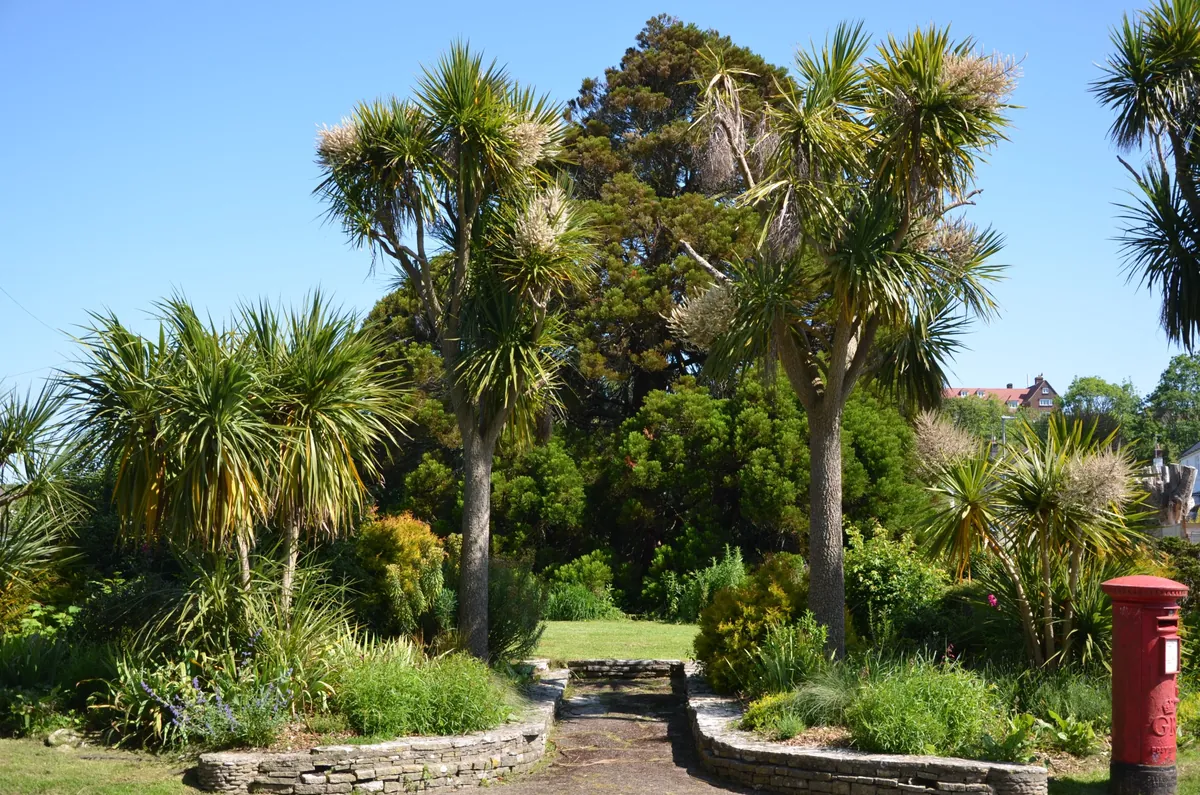
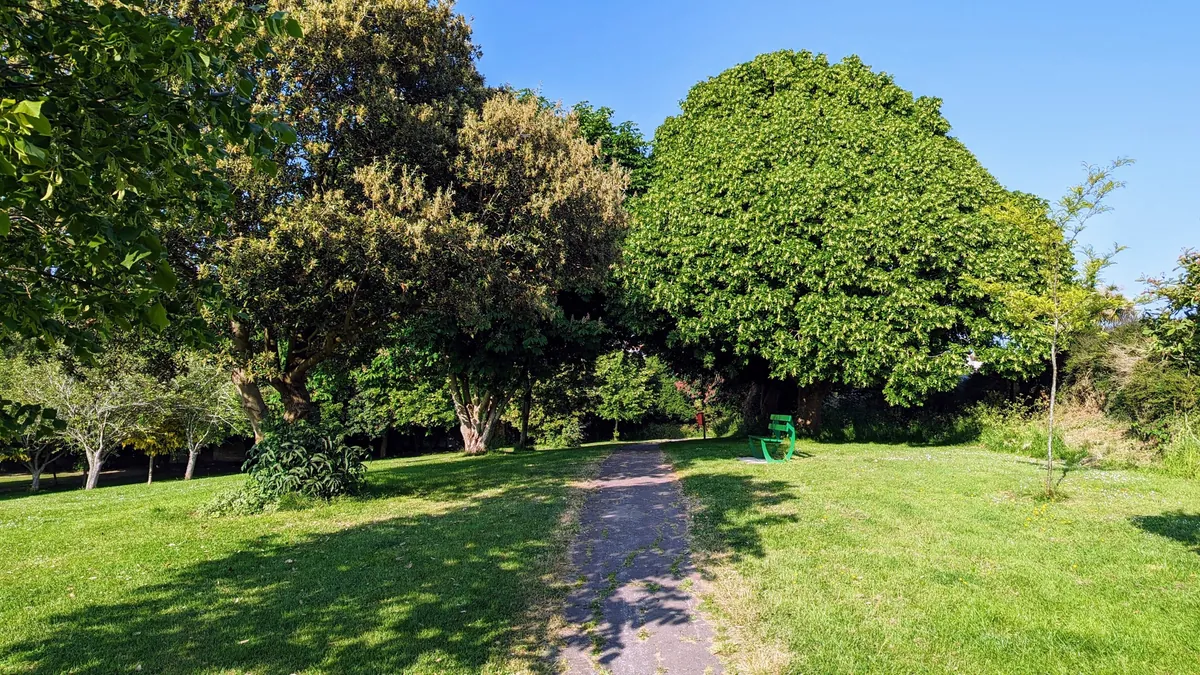
You don't have to go far to enjoy them. The photo at the top of this page is Northbrook Copse, a quiet woodland path that's at its best in early summer. Here are three more places to look.
Want to help? Email hello@sustainableswanage.uk and tell us what you'd like to do. Whether you have a little time or a lot, we'd love to hear from you.
Figures on this page come from Swanage Town Council's Environment and Green Spaces Committee papers (2022 to 2026) and from our own volunteer groups. Details of this summer's watering and losses come from George Roman's talk at our climate evening on 18 November 2026. The figure for wildlife on oaks comes from the Woodland Trust.
Last checked: November 2026.