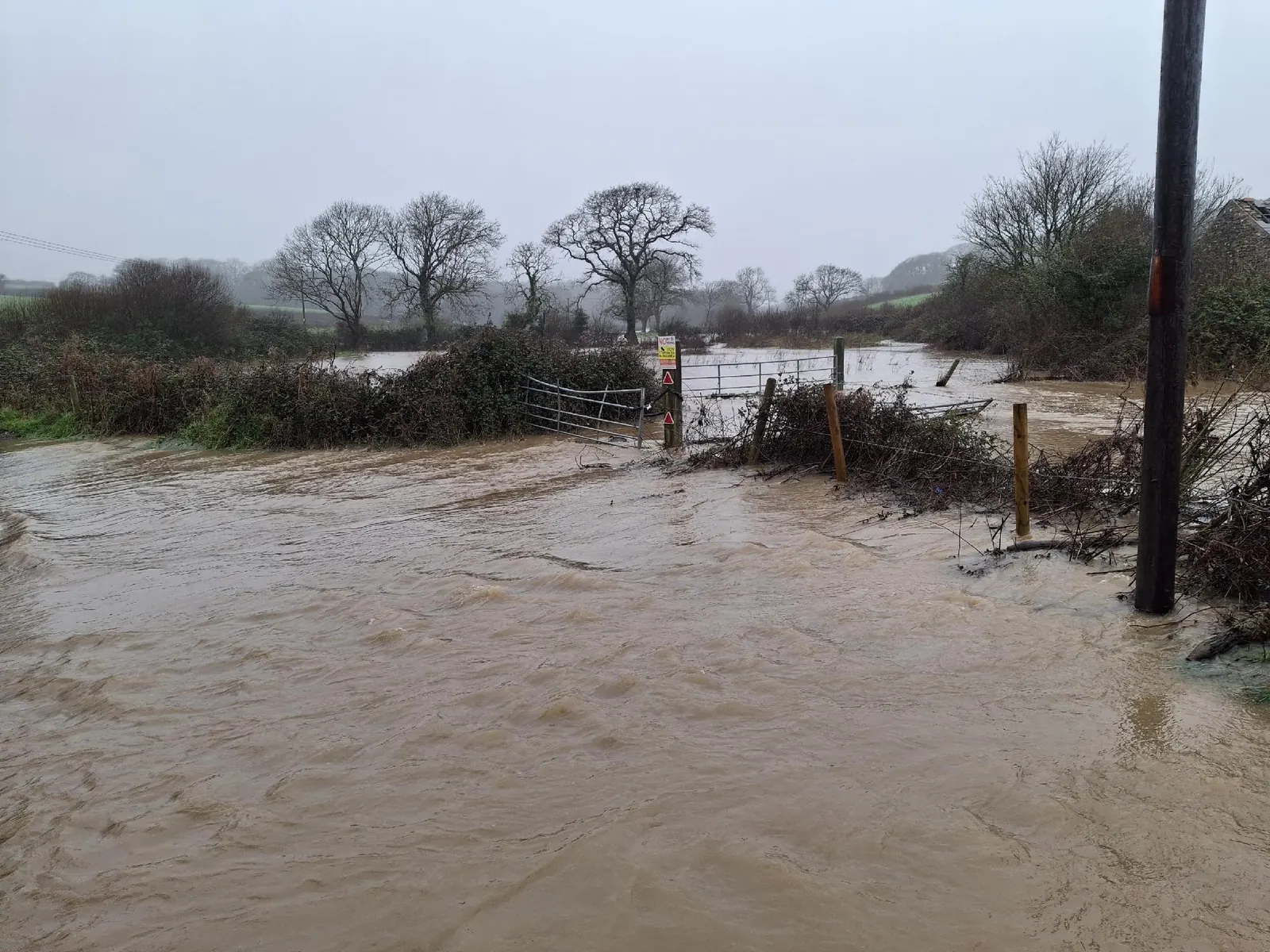
Floodwater pouring across Washpond Lane, Swanage, last winter

Washpond Lane, Swanage

2026, a year of climate extremesWhat has changed in Purbeck, and how we're adapting

2026 brought storms, floods, record heat and drought, and Purbeck's land, farms and seas are already showing the strain. On 18 November nearly 60 people came to The Mowlem to hear what has changed: what is struggling, what is new, and how we're adapting.

We heard from David Brown of the National Trust, Church Knowle farmer Kath Best and Nick Reed of Purbeck Sub Aqua Club. Jonathan Griffin presented the weather records and Dorset Council's plans. Stephanie Brown, George Roman and Mike Brown gave updates on wildflowers, town trees and swifts. Thank you to them all, to everyone who came, and to Planet Purbeck, who ran the evening with us.

Purbeck’s climate is changing

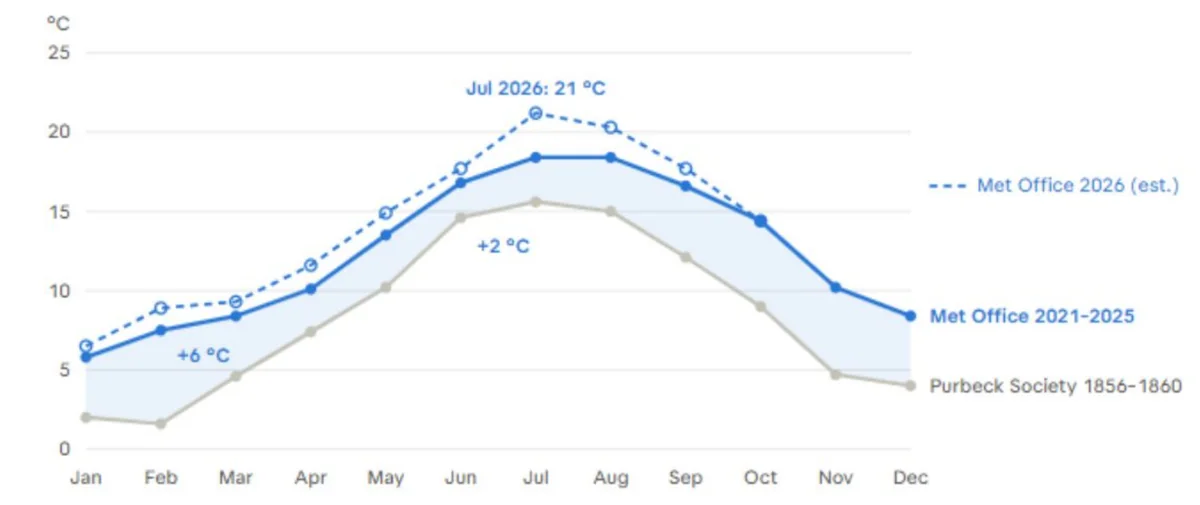
Line chart of average 9am temperatures by month. The 1856 to 1860 line is lowest, the 2021 to 2025 line is about 4 degrees higher, with the biggest gap in winter, and 2026 is higher still, reaching 21 degrees in July.
Average morning temperatures: Purbeck Society 1856 to 1860, against the Met Office for 2021 to 2025 and 2026

2026 stands out. The dotted line shows this year's morning temperatures, which were above the 2021 to 2025 average in every month from January to September. July mornings averaged 21°C, about 2.5°C warmer than recent Julys and around 5°C warmer than in the 1850s.

The other two lines show how far we had already come. The grey line is the 1850s, from the Purbeck Society's records, and the solid blue line is the Met Office average for 2021 to 2025. Mornings were already about 4°C warmer on average, and up to 6°C milder in winter, which is why frost and snow have almost gone.

What is struggling

This year showed how quickly things can change.

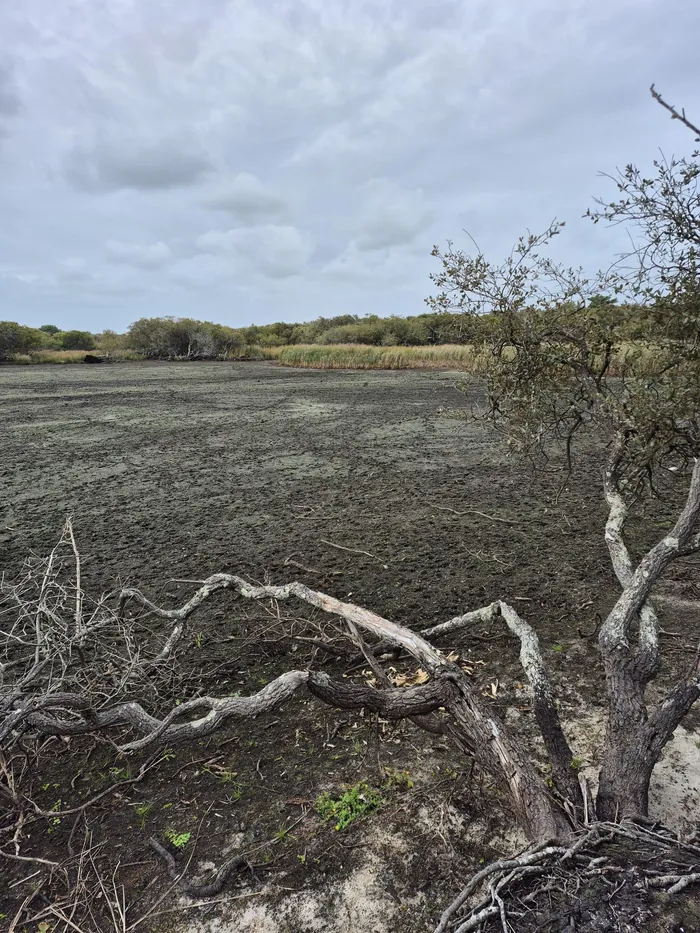
The cracked, dry bed of East Lake at Studland, with dead branches lying on it

Water in summer

East Lake at Studland is normally a lake. This year it was bone dry for several months. The springs on the coastal slopes dried up too, for the first time in David Brown's 14 years in Purbeck. With no water, cattle couldn't graze there.
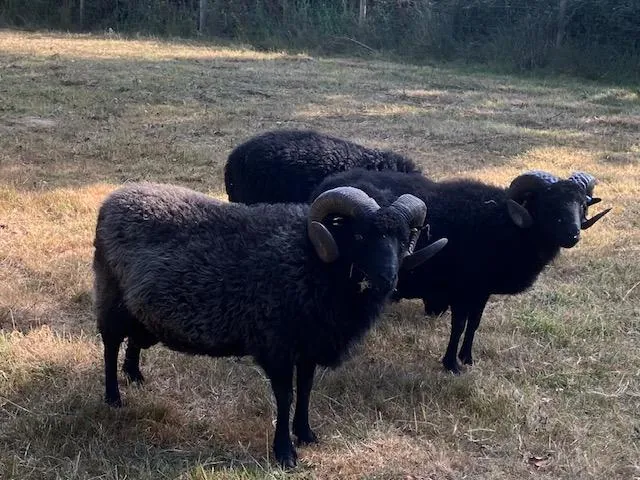
Three black sheep standing on parched, brown grass

Summer grass

Kath Best's spring lambs saw almost no rain after March. By July most farmers were feeding their cattle silage because the pasture had gone. On arable farms the grain came in small and shrivelled, and some was too dry for malting or flour.

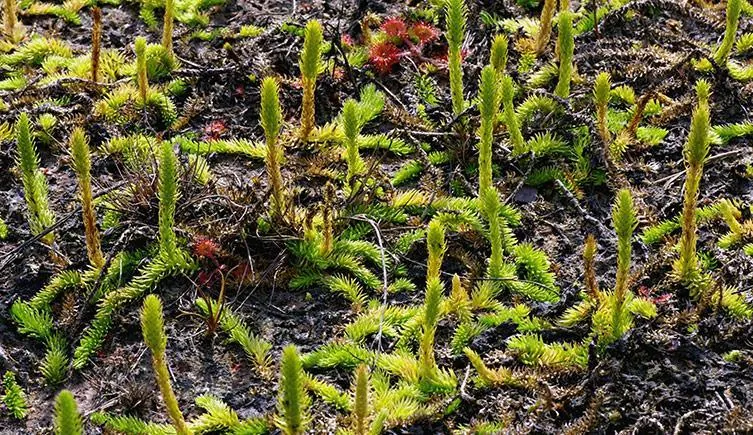
Small upright green spikes of marsh clubmoss growing on damp ground

Marsh clubmoss

A tiny, ancient plant and a national rarity. Purbeck's largest colony, about 10,000 plants in a dune hollow at Studland, needs wet winters and damp summers. This year the hollow was baked dry from April until late October. The plants will survive this year, but if summers like this become normal, the colony will be lost.

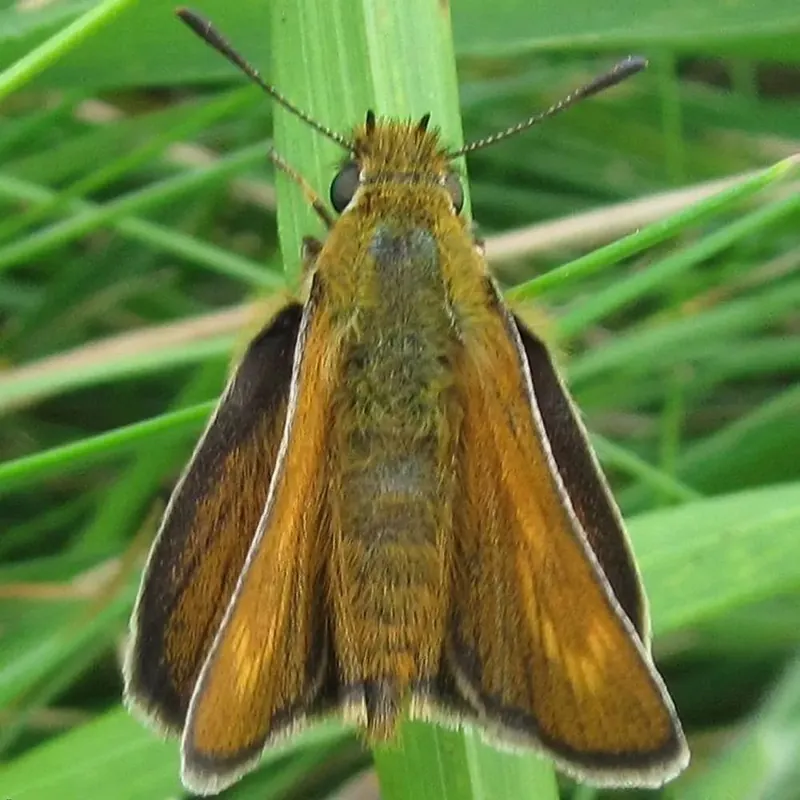
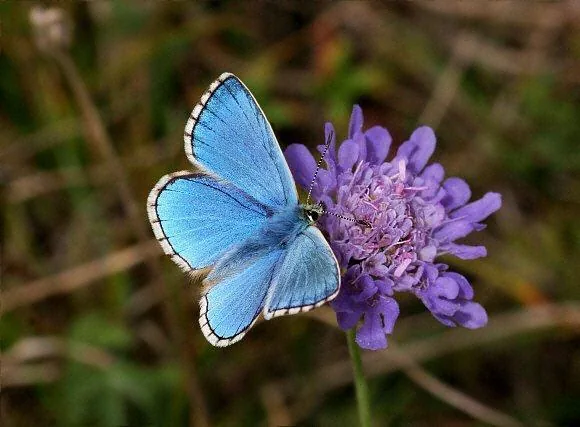
A Lulworth skipper, a small brown-orange butterfly, resting on a grass stemAn Adonis blue butterfly with bright blue wings on a purple scabious flower

Lulworth skipper and Adonis blue

These rare butterflies depend on cattle grazing to keep the grass just right: tussocky for the skipper, short for the Adonis blue. Mild, wet winters now make grass grow about twice as fast, and this summer left no water for the cattle. The balance farmers have kept for centuries is breaking down.

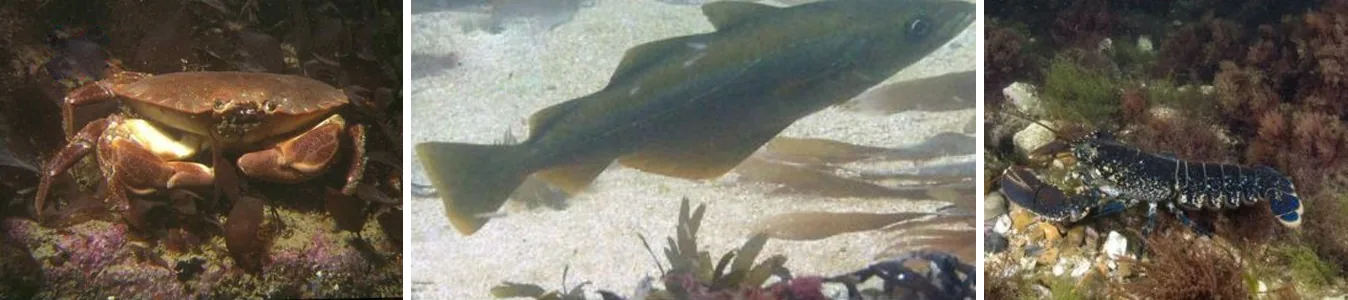
Three underwater photos side by side: an edible crab, a pollock and a European lobster

Crabs, lobsters and pollock

Crab and lobster numbers are down right across the South West. Pollock are struggling too, from overfishing and warmer water slowing their breeding. Storms early in the winter washed about 1,000 cubic metres of dead seagrass onto the beach at Studland.

Also under pressure

  • Young trees. The Town Council lost about six of last year's new trees to the drought, despite watering three days a week.
  • Heathland. Hotter summers make serious heath fires more likely.
  • Swifts. Red-listed and declining. As the Sahara grows, their journey to Africa gets harder.
  • Homes and roads. In January, Storm Chandra closed roads and schools across Dorset.

What is new

Purbeck sits at the northern edge of the range for many southern species. As things warm up, more of them are moving in.

“It's not like we're going to have no nature. We're going to have different nature.”

David Brown, National Trust
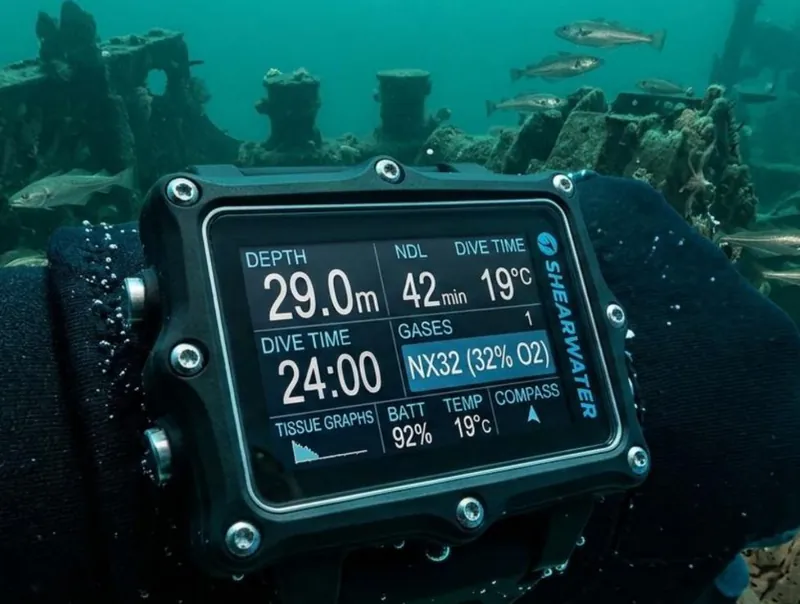
A diver's computer on a wreck showing a depth of 29 metres and a water temperature of 19 degrees

A warmer sea

At 30 metres down in August, Nick Reed's dive computer read 19°C, the warmest he has known in 35 years of diving. The sea has been about 2°C warmer than usual this year.

A bright green sand lizard on a sand dune

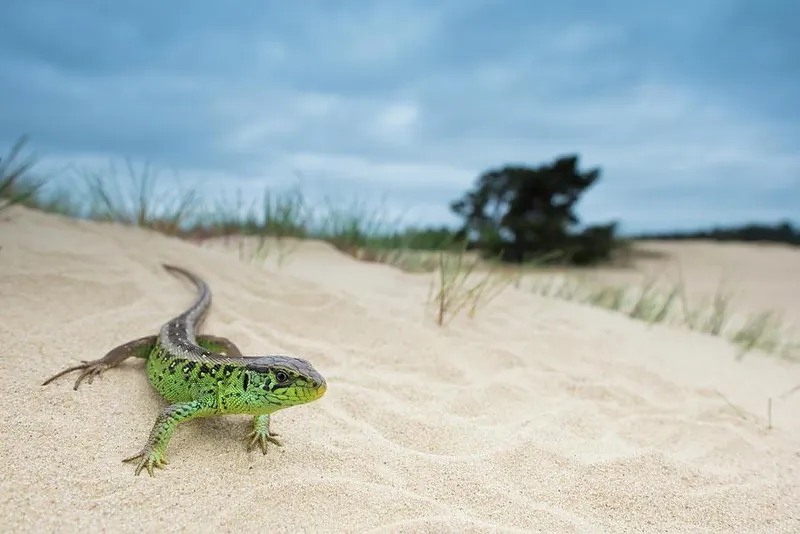
Sand lizards

Reptiles like warmth. Sand lizards will probably spread as summers get hotter, and over time we may gain new reptile species too.

A slender metallic green damselfly perched on a plant stem

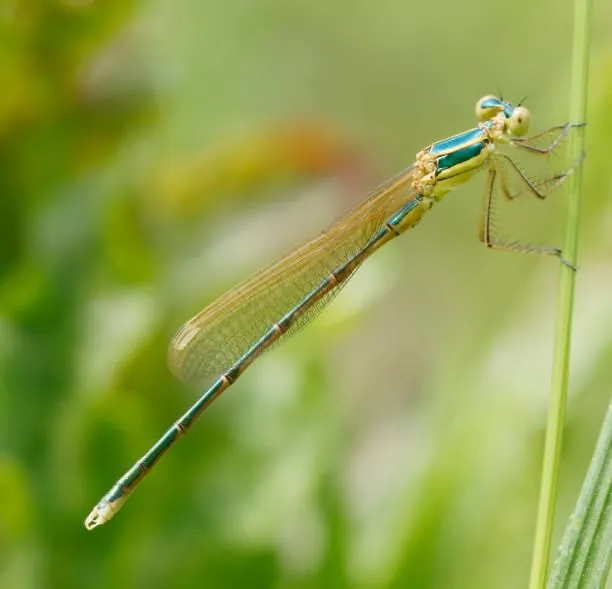
Southern emerald damselfly

A southern insect at the northern edge of its range. It was spotted in Purbeck this year, and is likely to become a more regular visitor.

A silvery black sea bream swimming over the seabed

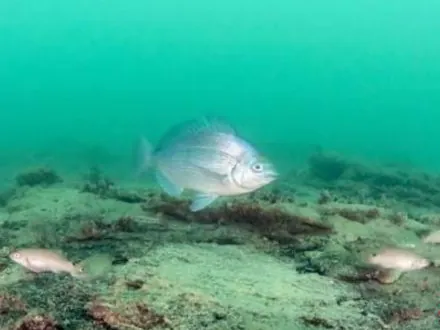
Black sea bream and bass

Black sea bream used to arrive for the summer and head back south. Now they stay all year, and local sea anglers had a brilliant season. Bass are recovering too, helped by careful management.

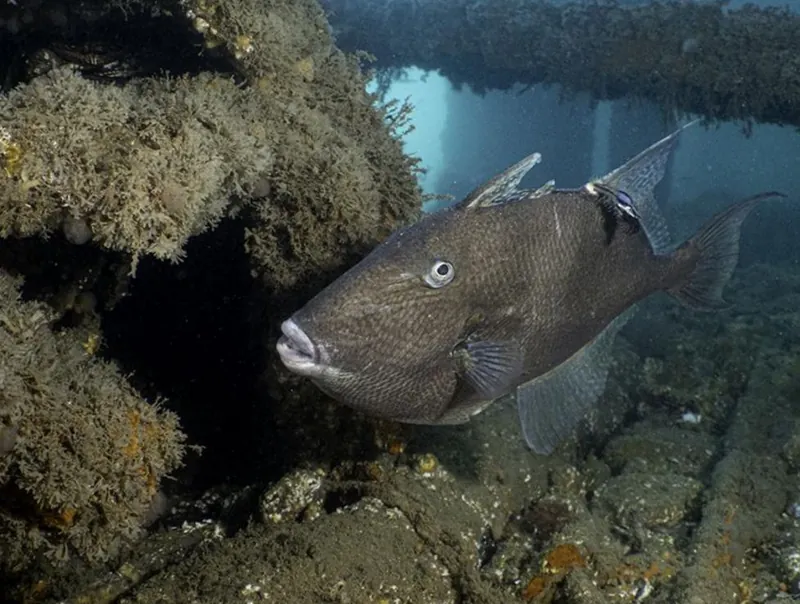
A grey triggerfish swimming among the weed-covered legs of Swanage Pier

Triggerfish and Mediterranean barnacles

Triggerfish now turn up under Swanage Pier. Divers also found a Mediterranean horse barnacle there, which may have drifted up from the Bay of Biscay. Nick saw his first crawfish in Dorset this year, spreading east from the West Country.

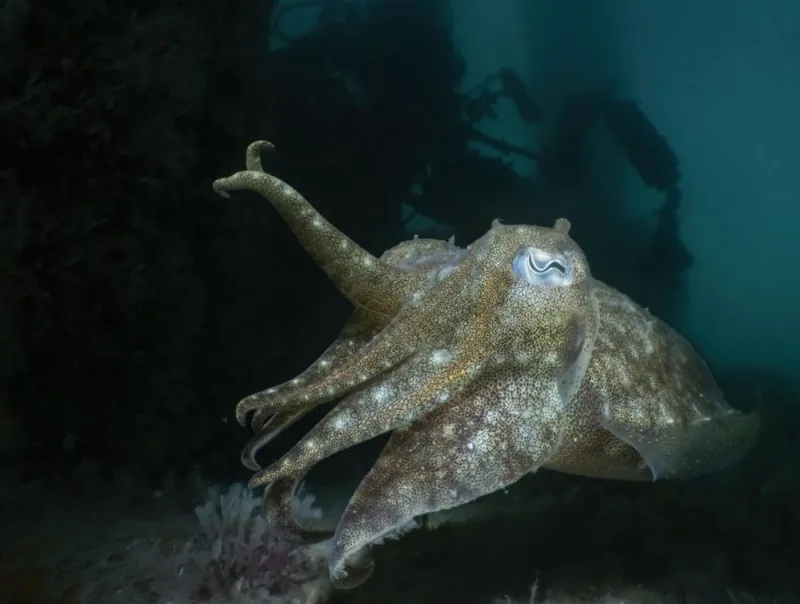
A cuttlefish hovering above the seabed with its tentacles raised

Autumn cuttlefish

For the last six weeks, cuttlefish have been unusually plentiful under the pier. We usually see some, but not this many at this time of year.

The seasons are shifting too. Spring came early this year, and the insect boom in June and July was good news for swifts. On the Downs the flowers came early, so next year's wildflower surveys will start in late April instead of May.

How we're adapting

Conservation is changing. Instead of trying to keep every species exactly where it has always been, the aim now is a landscape that can absorb shocks and give nature room to move. As David Brown put it, “There is hope.”

Already happening

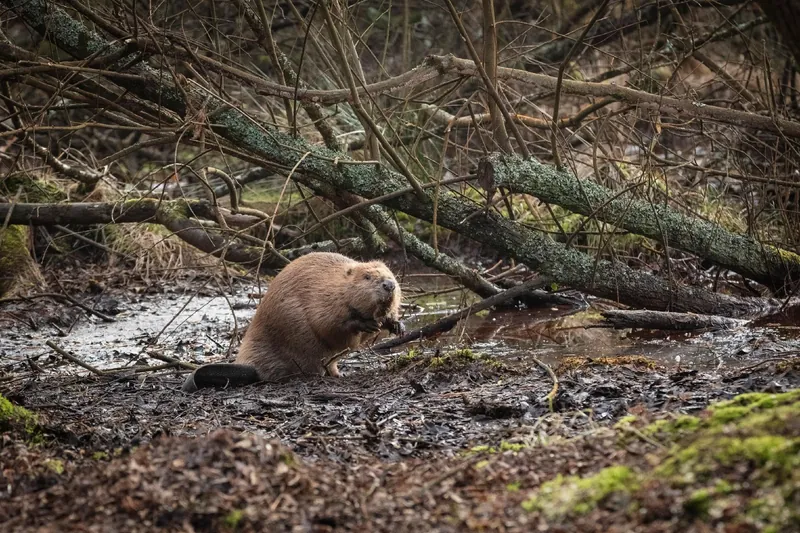
A beaver sitting at the muddy edge of a stream among fallen branches

Beavers

Purbeck was the first place to get a licence to release beavers into the wild, at Studland. Their dams are natural shock absorbers, slowing rivers in a flood and holding water back for dry spells. They'll spread further across Purbeck in the coming years.

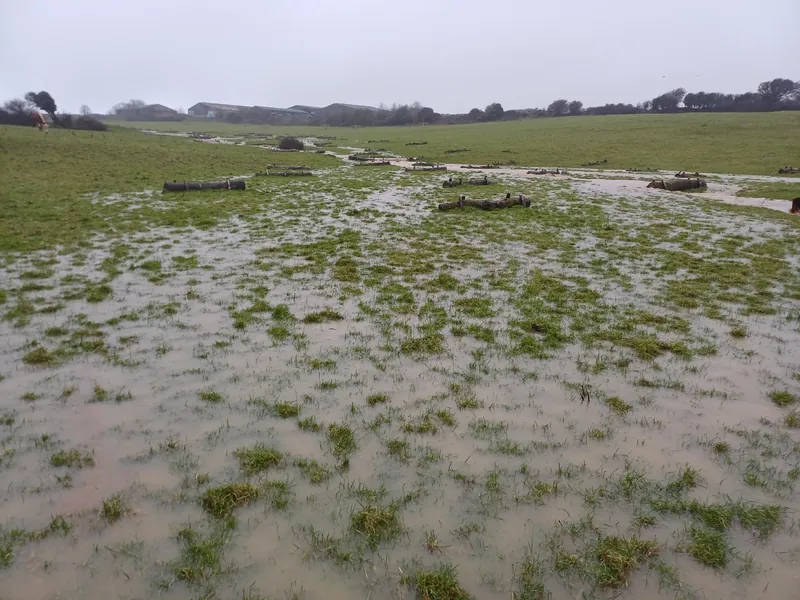
Logs laid across a wet, grassy field to slow the flow of water

Slowing the water

At Spyway, logs laid across the land slow floodwater and let it soak in. The project began by creating wetland, then cut flood risk for homes downstream. Now it keeps the farm's soil damp later into the summer, so there's grazing when the land around is dry.

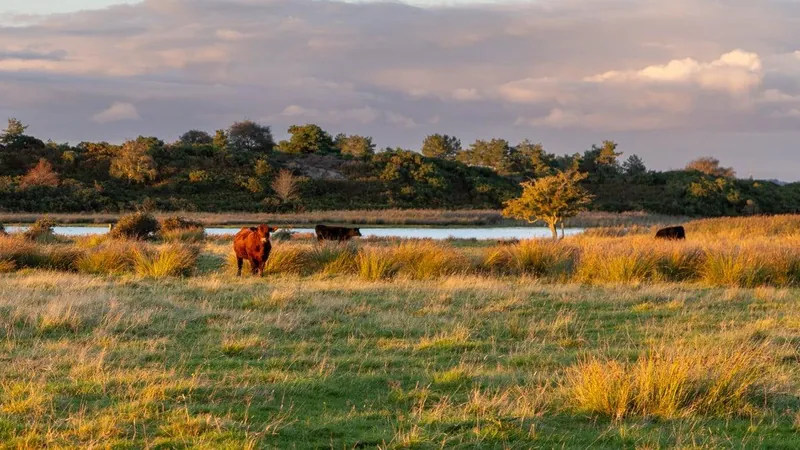
Cattle grazing among golden grass and heather on the Purbeck Heaths at sunset

Room to roam

Fences have come down across the Purbeck Heaths, joining 11 separate protected sites into one landscape. Species can move to cooler or wetter spots. This summer the cattle there found their own water and food, and needed no extra feed all year.

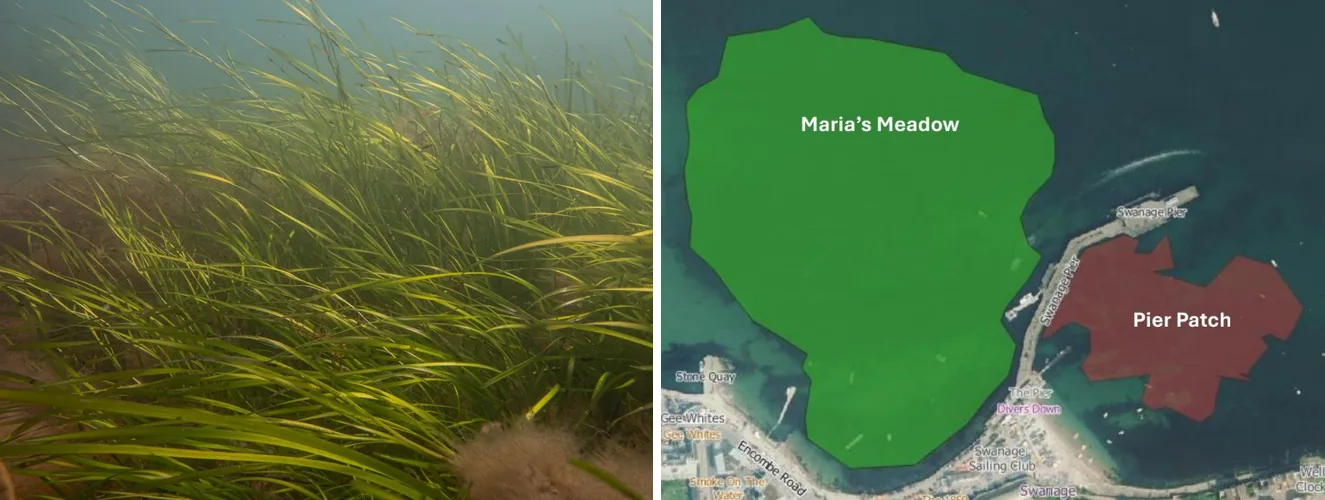
Left: long green seagrass leaves underwater in Swanage Bay. Right: an aerial map of Swanage Bay showing Maria's Meadow, a large seagrass meadow north of the pier, and the smaller Pier Patch between the two piers.

Seagrass meadows

Swanage Bay has two healthy seagrass meadows: Maria's Meadow, about 5 hectares, and the Pier Patch, about 1.5 hectares between the piers. Some leaves are nearly 50cm long. They store carbon and shelter sea life, and club divers monitor them through the year.

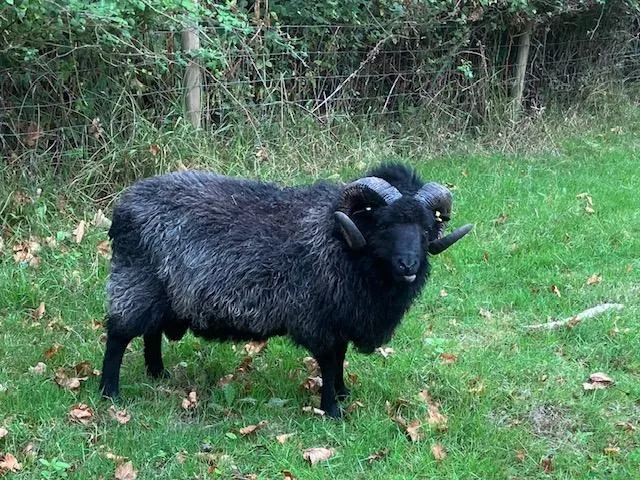
A black sheep grazing on lush green grass

Herbal leys

Kath Best has sown herbal leys, a deep-rooted mix of grasses, clover, vetch and plantain. They kept growing through the drought, so she could still cut winter feed in May. They bring wildlife onto the farm too.

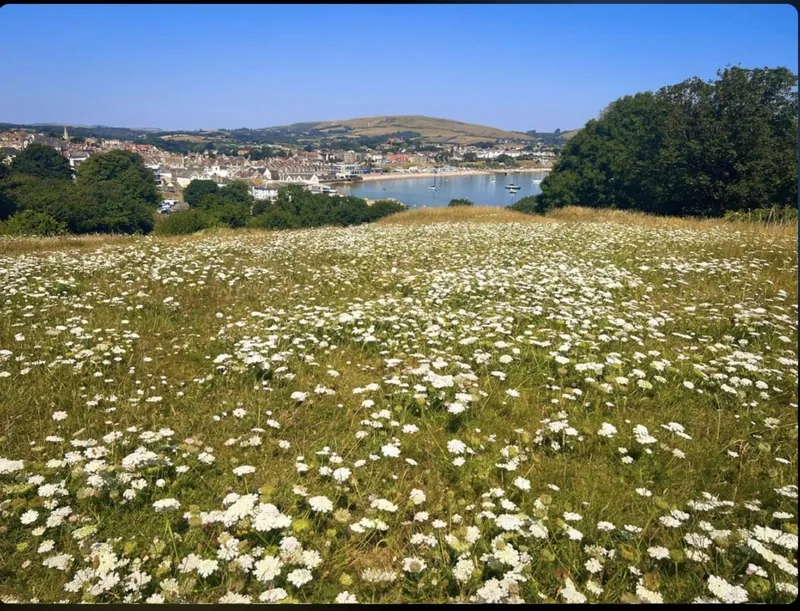
White ox-eye daisies across the Downs, with Swanage and the bay beyond

Wildflowers on the Downs

Since 2023, parts of the Downs have been left unmown. Volunteers have recorded more than 60 plant species, including orchids, cowslips and yellow rattle that's now spreading. More plants mean more pollinators and birds. About the survey group

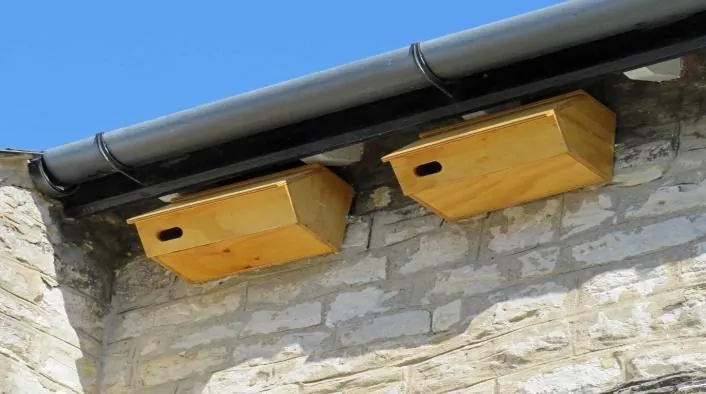
Two wooden swift nest boxes fixed under the eaves of a stone building

Swift boxes

Swanage & Purbeck Swifts now know of 120 nests, up from 19 five years ago. They've put up 76 nest boxes, including in church belfries at Worth Matravers and Corfe Castle. About the swift group

A large, spreading oak tree in full summer leaf

Watering town trees

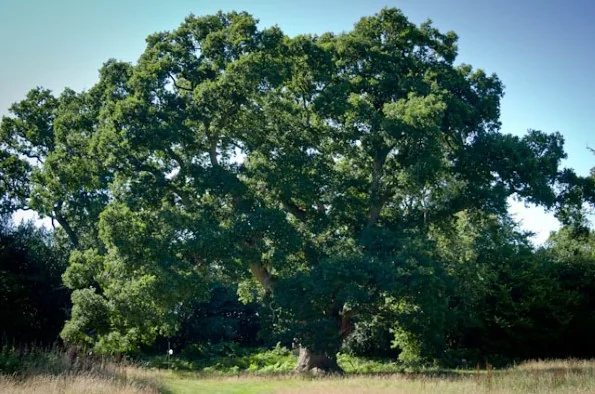
Swanage Town Council plants about 30 trees a year. This summer brought only 40% of the usual rain, and none in July. Staff watered young trees with a bowser three days a week, and the town's new tree wardens are helping look after them. About our trees

Community flood wardens

Dorset has a network of community flood wardens who help their neighbours prepare for flooding. Nick Reed said this kind of local resilience matters as much as big plans: we all have a small part to play.

Coming next

  1. A plan for all of Dorset. Dorset Council is writing the county's first Climate Adaptation Strategy. Workshops run from 23 November to 11 December, priorities follow in 2027, and the action plan is due in autumn 2027. Read about the plan
  2. Dorset COP comes to Swanage. The fifth Dorset COP, a county-wide day of talks and workshops, will be co-hosted by Planet Purbeck and Dorset CAN. Date to follow.

Have you noticed changes? Flooding, summer heat, new wildlife or things you no longer see? Local knowledge like this is exactly what Dorset's plan needs, and you don't have to be an expert to share it. Email hello@sustainableswanage.uk and we'll pass your views on through Dorset CAN.

Photos and charts are from the speakers' presentations on the evening. Underwater photos by Purbeck Sub Aqua Club members.